

I have dedicated a good deal of time looking under the hood of online casinos, and Spinstein’s technical setup always stands out https://spinsteinscasino.com/en-ie/. The platform operates smoothly because of a clever cache management system. This goes beyond simple speed. It revolves around smart data handling that makes every session feel reliable and fluid, beginning from your login.
Strategic Asset Caching for Quicker Loading
Spinstein Casino buffers its assets with a clear plan. All the graphics—game logos, background images, buttons—get cached thoroughly. The same holds for JavaScript and CSS files, which dictate how the site functions and appears. Because these are retrieved from your device’s memory instead of the network, the basic framework shows up in a snap.
The tech team utilizes versioning for these files. When they roll out an update, the cache is set to expire the old data and grab the new. This guarantees you looking at the latest lobby design without losing the speed boost from cached content. It’s a simple idea, but plenty of sites mess it up.
Cache Clearing: Guaranteeing Recency and Accuracy
Cache invalidation—understanding when to remove old data—is a common tech problem. Spinstein employs a blend of methods. Time-based expiration manages routine updates. Event-driven invalidation kicks in instantly for urgent changes, like new regulatory alerts or security fixes.
The result is that you are never shown outdated bonus rules or an old game build. The system walks a tightrope, providing the speed of cached content alongside completely current information. This thoroughness is essential for both user experience and legal compliance.
Reducing Server Load and Improving Uptime
For the infrastructure team, smart caching is a primary defense. By serving cached content, Spinstein’s origin servers avoid numerous repeat requests. That saved capacity gets focused on processing the important stuff: deposits, actual spins, and withdrawals. The backend stays steadier.
This technical choice boosts uptime and reliability. At peak hours, the reduced strain helps prevent slowdowns or outages. You get consistent access. The platform’s resilience is a direct result of pushing work to the cache.
Real-Time Data and Instant Data Processing
It’s impossible to cache everything. Live dealer streams, the current total in your bet slip, your present balance—this data must be live. Spinstein’s architecture draws a clear line. The cache controls the static shell of the site. Separate, dedicated channels process the flowing data.
This division is important. When traffic spikes, such as during a big tournament, the static environment stays quick. Real-time updates are delivered via optimized, low-latency connections. Your gameplay information stays accurate to the second.
Dynamic Caching for Diverse Network Conditions
Spinstein’s cache management doesn’t suppose everyone has perfect Wi-Fi. It adapts. On a inconsistent connection, it might lean harder on local cached assets to keep the interface usable, even if some live data updates a bit at a slower pace.
On a fast fiber line, it can be more anticipatory, caching resources for pages you’ll likely visit next. This adaptive method adjusts the technical delivery to your specific network situation. It’s a sign of thoughtful engineering.
From a technical standpoint, Spinstein’s cache management is a core part of what makes the casino work well. It functions smartly by separating static from dynamic, pursuing speed without risking security, and responding to real-world conditions. This behind-the-scenes intelligence is why the front-end experience feels fast, consistent, and just plain dependable every time you play.
Client-side Storage and Browser Cache Integration
Spinstein’s system functions with your browser, rather than opposing it. The platform delivers precise instructions on the duration to retain certain files. This leverages your device’s local storage, turning it into an active part of the speed solution.
They manage this integration carefully. Cache rules prevent your storage from filling up with junk. Old data gets cleared out, and sensitive details never touch the local cache. The design focuses on a joint effort between their servers and your hardware.
The Main Function of Cache in Online Gaming
View cache as a fast-access storage area. It stores temporary copies of information you use often. For a casino, that encompasses game icons, lobby layouts, and pieces of your account page. Good caching relieves the main servers and slashes the time needed to fetch data. The player receives a front-end that doesn’t stutter.
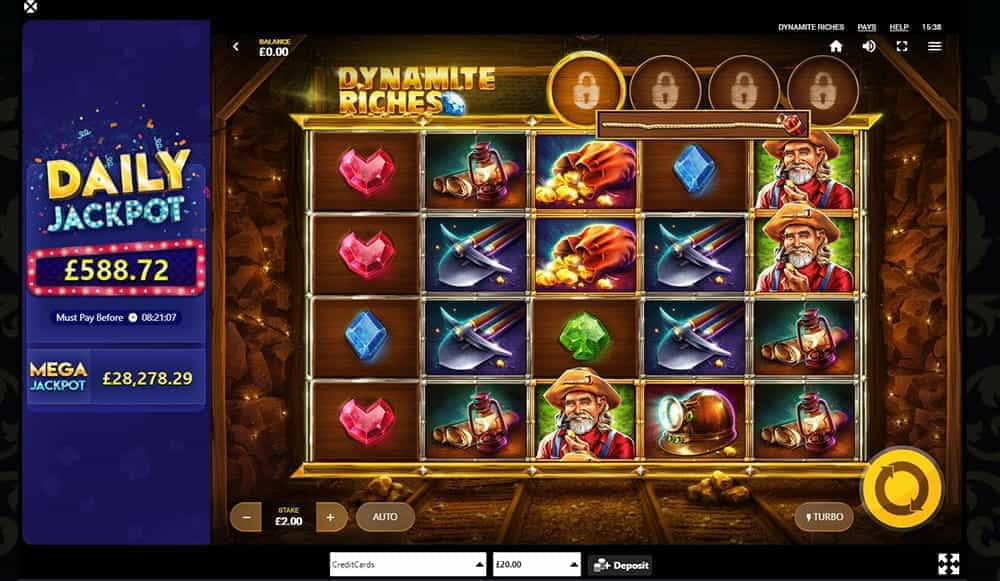
Without this layer, every single action would ping a faraway server, causing noticeable delay. Spinstein’s system anticipates. It caches static items on your device after your first visit. Later, pages load from there, which appears immediate. This kind of foresight isn’t a bonus; it is crucial for how the web works now.
Security Issues in a Cached Environment
Caching brings particular security concerns. Spinstein’s engineers provide solutions. The key principle is that private or monetary information never gets stored in the cache. All sensitive transactions utilize encrypted, direct connections that bypass cached storage entirely. Only display and functional elements become cached.
Cache instructions are also established to stop unwanted third parties from intercepting or falsifying content. The system ensures that the cached material your browser receives is legitimate and intact. Security stays robust even while performance is enhanced.
Influence on Game Launch Speed and Performance
The biggest advantage is how fast games start. Click on a slot or table game, and the cached core engine and graphics load right away. It feels immediate, while the game quietly creates a secure link to the backend for your live session data.

Gameplay performance stays reliable, too. Graphical elements and sound files pulled from cache don’t need to stream on the fly. That avoids hitches mid-spin. For complex video slots with detailed animations, this smoothness is a key aspect of the fun.